AIINSIGHT NOTE
AI · Web3 · Tech trends and insights at a glance
AI · Web3 · Tech trends and insights at a glance
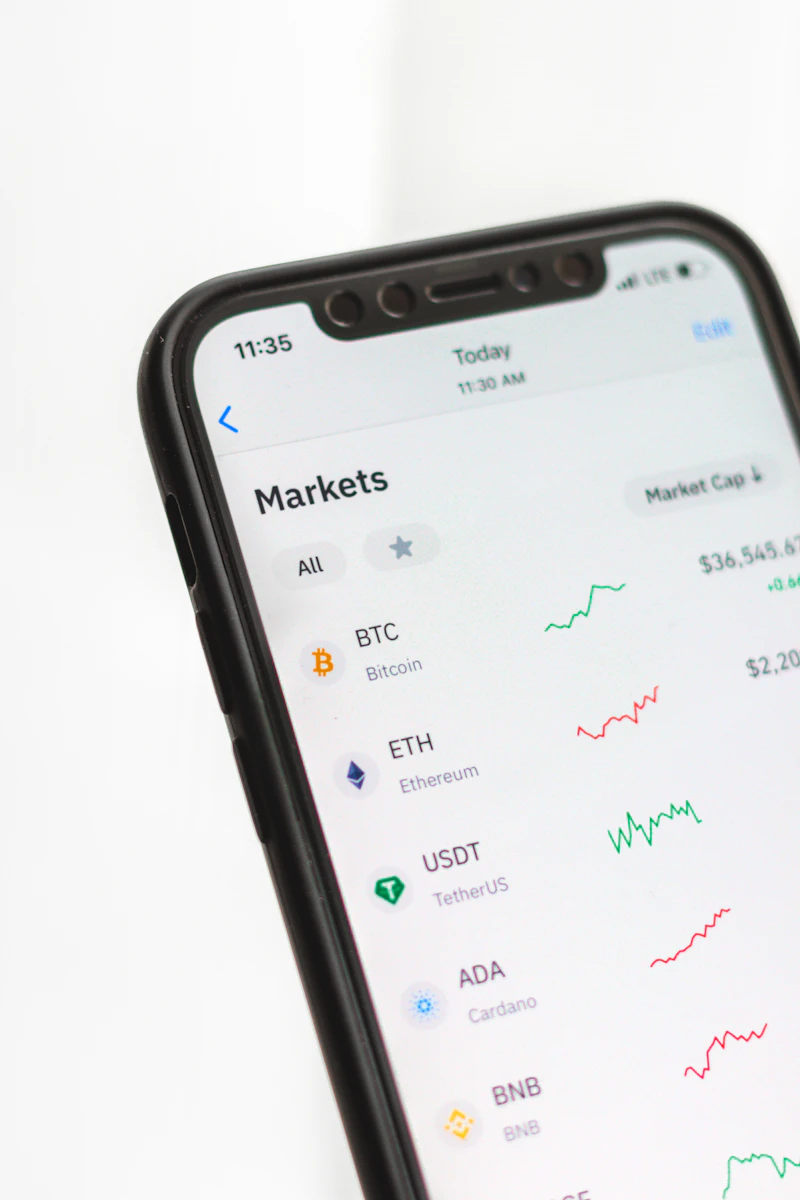
Every crypto cycle produces a new cohort of protocols that capture narrative momentum and speculative capital. 2026's class — led by Berachain, Monad, and World — offers a study in how blockchain projects win mindshare before they win market share.
Crypto markets run on attention before they run on fundamentals. This isn't cynicism — it's an observation about how decentralized ecosystems bootstrap liquidity, developers, and users. A new chain that no one knows about has no network effects to speak of. So the meta-game of launching a blockchain is as much about community building and narrative as it is about technical architecture.
Berachain arrived with one of the more distinctive strategies: a community built around cartoon bears, irreverent memes, and a surprisingly sophisticated DeFi primitive called Proof of Liquidity. The idea behind PoL is that instead of validators simply staking tokens to secure the network, they provide liquidity to designated vaults — aligning the interests of security providers with protocol-level DeFi activity. Whether this translates into a durable competitive advantage or becomes another DeFi mechanism that sounds clever until edge cases emerge is a live question. What's not in question is that Berachain successfully generated extraordinary hype before mainnet launched, which means it had liquidity and developer attention from day one.
Monad is solving a different problem: EVM compatibility at high throughput. The Ethereum Virtual Machine is the dominant smart contract execution environment, but it has scaling constraints that L2s address by moving computation off-chain. Monad's bet is that you can parallelize EVM execution on a single chain — running multiple transactions simultaneously rather than sequentially — to achieve Solana-level speeds with Ethereum-level compatibility. The technical case is credible; the question is whether the DeFi ecosystem will actually migrate to a new L1 when Ethereum L2s offer comparable performance without abandoning an existing liquidity pool.
World (formerly Worldcoin) occupies a different category entirely. Its ambition is identity and financial infrastructure for the global unbanked — using iris-scanning hardware called the Orb to create unique digital identities that can't be Sybil-attacked. The project is polarizing. Privacy advocates are uncomfortable with biometric data collection at scale. Regulators in several jurisdictions have paused or investigated the Orb scanning operations. But the network has also accumulated a significant user base in regions where traditional financial access is limited, and its World ID primitive is being used by third-party developers to build Sybil-resistant applications.
The pattern across all three is that technical differentiation matters less in the short term than narrative coherence and community density. Tokens that attract a passionate, articulate community generate enough secondary market activity to fund development, which enables real technical progress, which reinforces the narrative. It's not purely circular, but the feedback loop is tight enough that early community formation is often the best predictor of medium-term token performance — more reliable than whitepaper quality.

The Land-Permit Paradox of Korea's Chip Belt, When the Cluster's Boom Prices Out Its Own Engineers
Dongtan, Giheung, and Guri have been folded into Korea's land-transaction permit regime just as the AI chip capex boom reshapes the property market around the country's largest fabs. The very prosperity the cluster generates is raising the cost for the engineers it depends on to settle nearby. The real test of agglomeration may lie not in siting megafabs but in housing and labor mobility.

The Collapse of the Closed AI Moat and the Supply-Chain Paradox of Unverifiable Weights
DeepSeek-R1's open reasoning weights and Llamafile's single-file distribution are eroding the performance and distribution moats that closed labs once charged a premium for. Yet the same openness collides head-on with the gap exposed by the "250 samples to break an LLM" research: weight distribution that no recipient can verify. Democratized competition and accumulated security debt now sit on the same scale.
Forty-Year Yen Lows as the Hidden Subsidy Behind Japan's Chip Revival
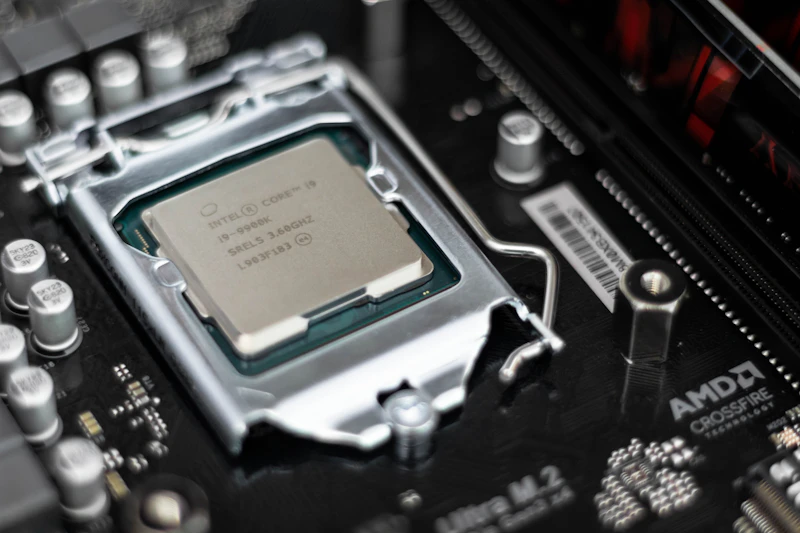
As the yen slides into its weakest territory in four decades, Takaichinomics has entered uncharted monetary terrain. A cheap yen functions as a silent subsidy for Rapidus, Kioxia, and TSMC's Kumamoto fabs—yet the same currency inflates the cost of imported tools and materials and intensifies the talent war with Korea. The question is whether monetary policy can stand in for industrial policy, and what that means for Korea's memory champions.