AIINSIGHT NOTE
AI · Web3 · Tech trends and insights at a glance
AI · Web3 · Tech trends and insights at a glance

A Clippy-skinned local LLM app and the single-file llamafile went viral in the same season. Behind the nostalgic retro interface runs a decentralizing urge to stop handing data to distant servers. The question of who actually owns AI is starting to crack Big Tech's subscription economy.
Roughly two decades after being exiled from Microsoft Office, Clippy the paperclip has resurfaced in the least expected place. Someone wrapped a local large language model inside a desktop app that faithfully mimics the speech-bubble interface of the Windows 95 era, and that round-eyed clip began answering questions with no internet connection in sight. Around the same time, the llamafile, a single executable that bundles model weights and inference engine into one double-clickable file, lit up developer communities. On the surface, both look like nostalgia and technical play. Underneath, they press on the same nerve: the sense that AI need not remain a distant power housed in someone else's data center, but can become something you own and control on your own machine.
The choice of Clippy is no accidental gag. Clippy is a relic of a kind of software innocence. Programs of that age lived wholly on your disk once installed, kept working when the network died, and above all did not quietly ferry your sentences off to somewhere else. Today's cloud assistants stand on the opposite shore. Every question, draft, and half-formed worry we type passes through an external server, where the data becomes training fuel and the usage log becomes an asset. Pouring a local model into Clippy's round eyes is a joke that twists exactly that asymmetry, and also a quiet protest. By borrowing the most dated and friendliest interface ever shipped, it declares an intent to pull the most advanced technology back into the user's own hands.
The llamafile carries the same grain. It collapses the received wisdom that running a model requires a Python environment, a march through dependency hell, and a cloud API key, reducing all of it to a single double-click. The simplicity of one self-contained file is, in effect, self-sufficiency. An AI that asks nothing of the outside world, seeks no one's permission, and does not vanish when a subscription lapses. That self-sufficiency is close to the technical definition of an individual truly owning AI rather than merely renting access to it.
The rise of on-device AI runs deeper than guarding privacy. It reopens the question of where to place trust. Using a cloud model means depending on faith that the provider will handle your data as promised, that it will not rewrite prices and policies unilaterally, that it will not abruptly shut the service down one morning. That trust is growing heavier. A Big Tech AI subscription is not only a monthly cost but a form of dependence, binding the very flow of one's thinking and creation to one company's infrastructure.
The local LLM severs that chain, but in exchange it hands a different kind of responsibility back to the individual. Downloading model weights yourself, scrutinizing whether their provenance can be trusted, and running them on your own hardware is undeniably more cumbersome than a single click. You also inherit a fresh risk, since malware or a backdoor could hide inside the model supply chain itself. And yet this movement matters precisely because the choice has finally swung toward the user. For the first time, a person can weigh the convenience of entrusting everything to the cloud against the autonomy of controlling everything in their own hands.
Realistically, of course, a model running on consumer hardware cannot match the performance of a frontier model. The Clippy in your living room is not as clever as the giant in the data center. But as history keeps demonstrating, the center of gravity of technology always slides from the centralized toward the distributed, from leasing toward owning. Just as the mainframe ceded ground to the personal computer, small models are growing more efficient fast, and the inference capacity of consumer chips leaps every year. Therein lies the chance that Clippy's comeback amounts to more than a retro lark. It is the friendliest possible face of a question only now coming into focus: who gets to be sovereign over AI.
The Land-Permit Paradox of Korea's Chip Belt, When the Cluster's Boom Prices Out Its Own Engineers
Dongtan, Giheung, and Guri have been folded into Korea's land-transaction permit regime just as the AI chip capex boom reshapes the property market around the country's largest fabs. The very prosperity the cluster generates is raising the cost for the engineers it depends on to settle nearby. The real test of agglomeration may lie not in siting megafabs but in housing and labor mobility.
The Collapse of the Closed AI Moat and the Supply-Chain Paradox of Unverifiable Weights
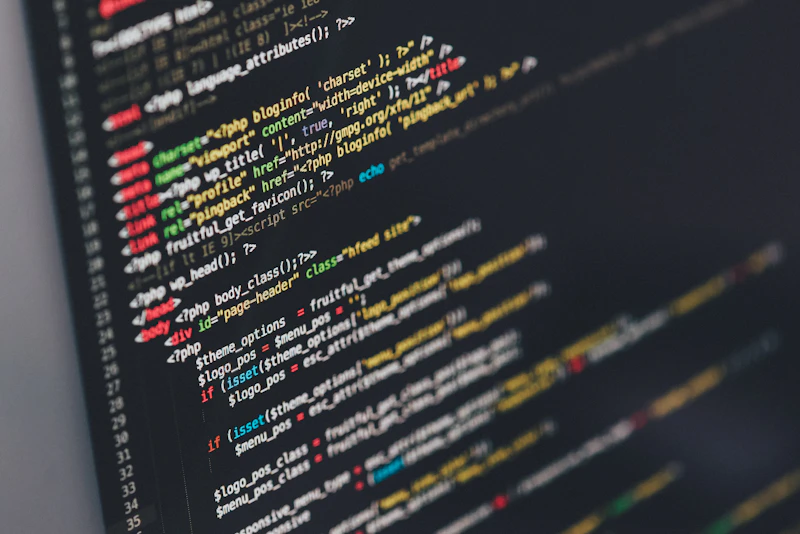
DeepSeek-R1's open reasoning weights and Llamafile's single-file distribution are eroding the performance and distribution moats that closed labs once charged a premium for. Yet the same openness collides head-on with the gap exposed by the "250 samples to break an LLM" research: weight distribution that no recipient can verify. Democratized competition and accumulated security debt now sit on the same scale.
Forty-Year Yen Lows as the Hidden Subsidy Behind Japan's Chip Revival
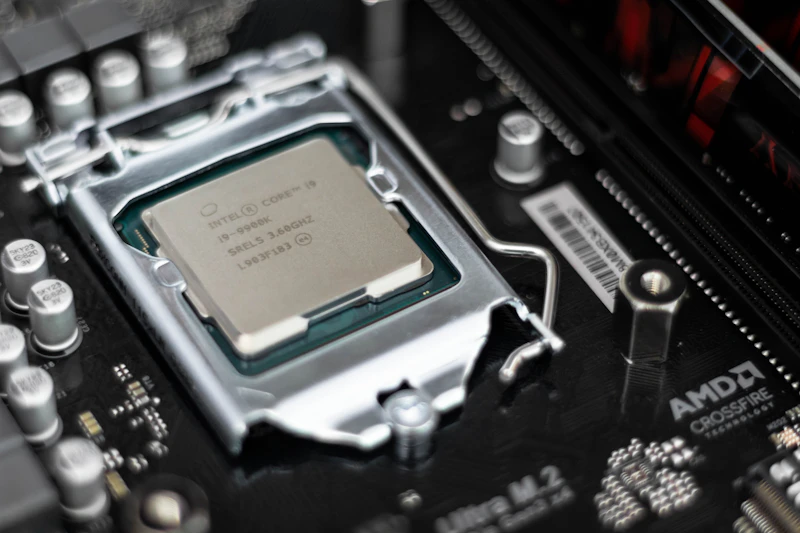
As the yen slides into its weakest territory in four decades, Takaichinomics has entered uncharted monetary terrain. A cheap yen functions as a silent subsidy for Rapidus, Kioxia, and TSMC's Kumamoto fabs—yet the same currency inflates the cost of imported tools and materials and intensifies the talent war with Korea. The question is whether monetary policy can stand in for industrial policy, and what that means for Korea's memory champions.